
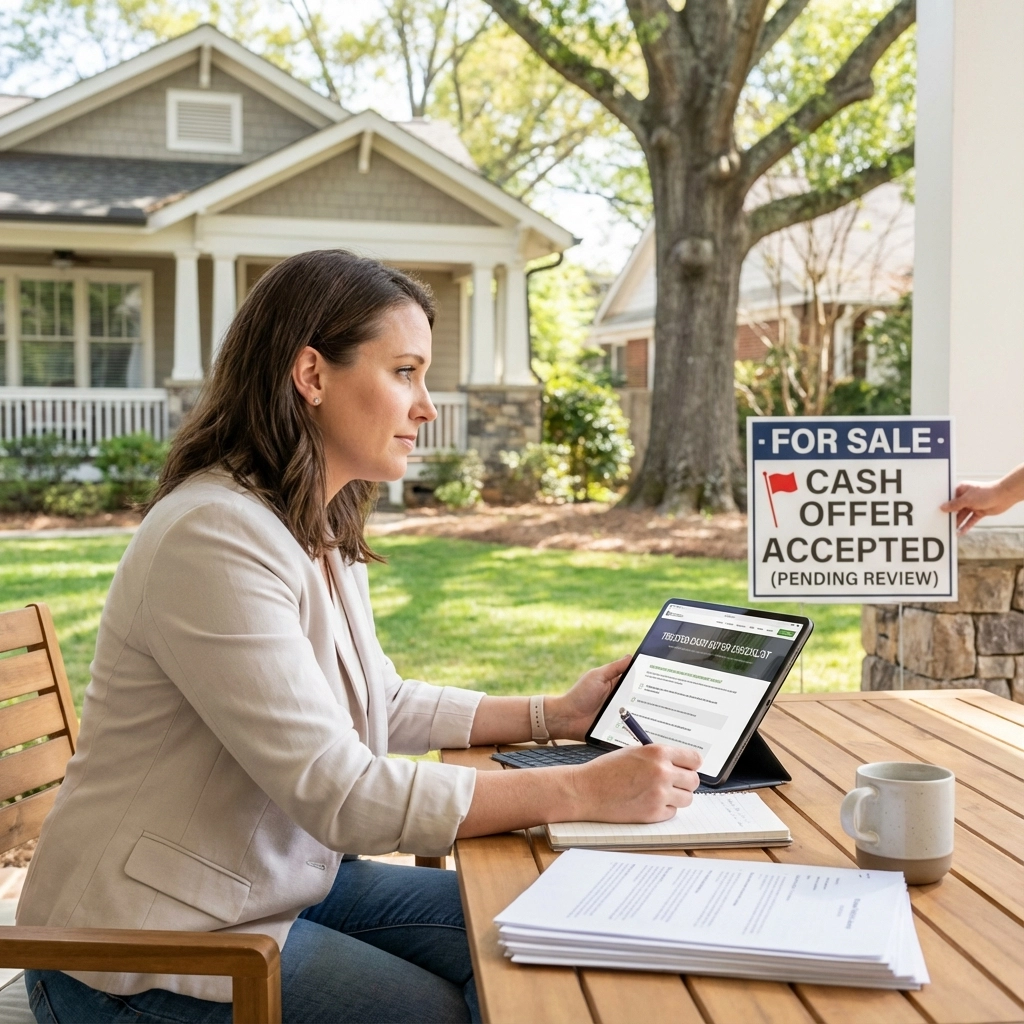
7 Questions to Ask Before You "Sell My House Fast Atlanta" – Avoid These Red Flags When Choosing Cash Buyers
Thinking about selling your house fast in Atlanta? You're not alone. With rising interest rates and market uncertainty, more Atlanta homeowners are turning to cash buyers for quick closings. But here's the problem: not all cash buyers are created equal.
Some are legitimate investors who'll close fast and pay fair prices. Others are fly-by-night operators looking to lowball desperate sellers or disappear when it's time to close. The difference? Knowing which questions to ask upfront.
Before you sign anything or accept that "no-obligation" offer, ask these seven critical questions. They'll help you separate the real players from the scammers trying to take advantage of Atlanta's hot real estate market.
1. "Can You Show Me Proof of Funds Right Now?"
This should be your first question, and their answer tells you everything you need to know about their legitimacy.
The Red Flag: A cash buyer who can't immediately show proof of funds is probably a wholesaler, not a real buyer. They're hoping to get your property under contract, then scramble to find the actual money, or flip your contract to someone else for a quick profit.
What Legitimate Buyers Do: Real cash buyers in Atlanta have liquid capital sitting in accounts, ready to deploy. They'll show you bank statements, cashier's checks, or letters from financial institutions confirming available funds. No hemming and hawing, no "I'll get that to you next week."
The Bottom Line: If they can't prove they have the money today, they probably don't have it at all. Move on.
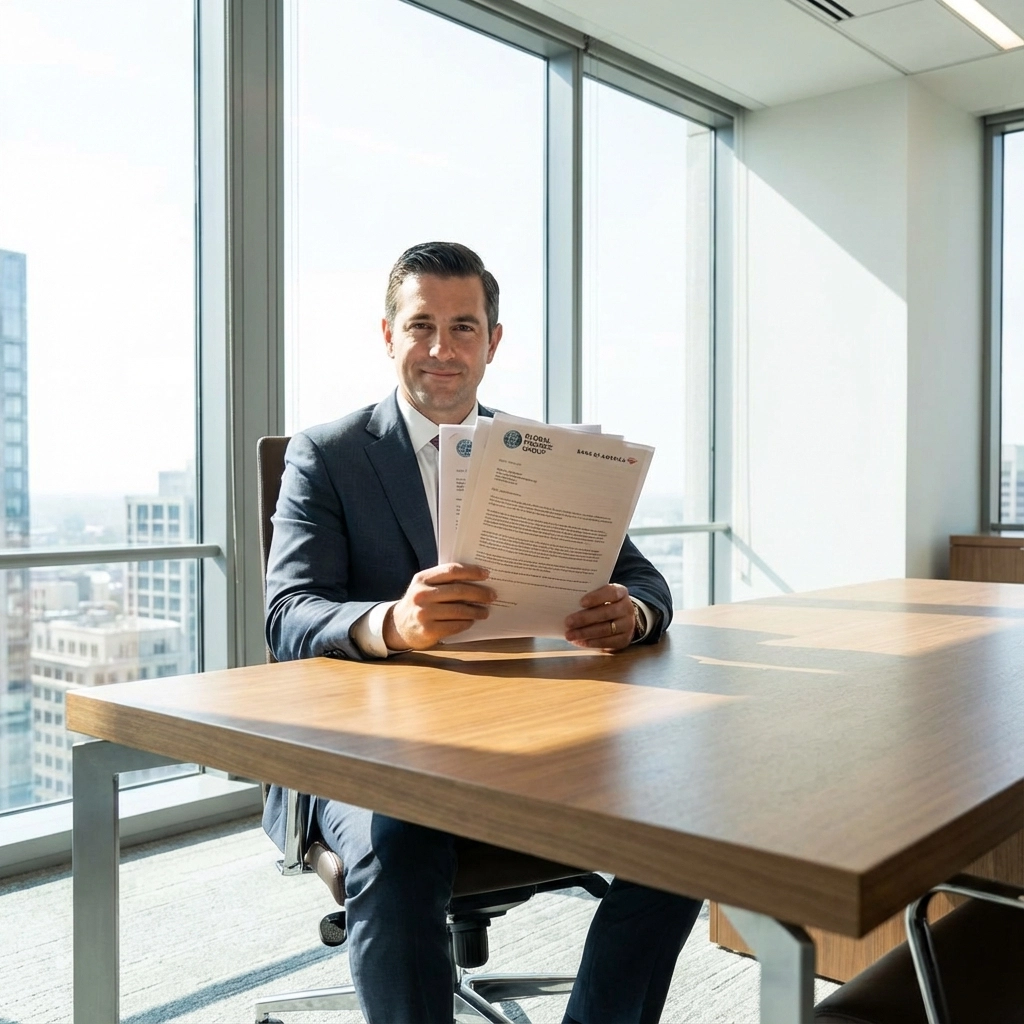
2. "Are You the Actual End Buyer, or Are You Just a Middleman?"
This question separates real investors from contract flippers trying to make a quick buck off your desperation.
The Red Flag: Wholesalers pose as cash buyers but have no intention of actually purchasing your Atlanta home. They want to get your property under contract at a low price, then "assign" that contract to a real investor for a fee. Meanwhile, you're stuck waiting while they shop your deal around.
What This Means for You: Wholesalers often can't close on the original timeline because they need time to find their actual buyer. Your "guaranteed" two-week closing turns into 30-45 days, or the deal falls apart entirely.
The Right Answer: "Yes, I'm buying this property for my investment portfolio" or "Yes, my company will be taking title." Anything else is a warning sign.
3. "What Fees Will I Pay, and Who Covers Closing Costs?"
Cash buyers love to advertise "no fees," but many sneak costs in through the back door.
The Red Flag: Some Atlanta cash buyers charge "service fees" as high as 14% of your sale price: that's more than double what you'd pay in real estate commissions. Others hit you with "processing fees," "inspection fees," or "document preparation charges."
Common Fee Tricks:
- Marketing fees (for a house they're supposedly buying?)
- Transaction coordination fees
- "Convenience charges" for fast closing
- Closing cost shifting that wasn't disclosed upfront
What to Demand: Get a written breakdown of all costs before you sign anything. Legitimate buyers typically cover their own closing costs and don't nickel-and-dime sellers with random fees.
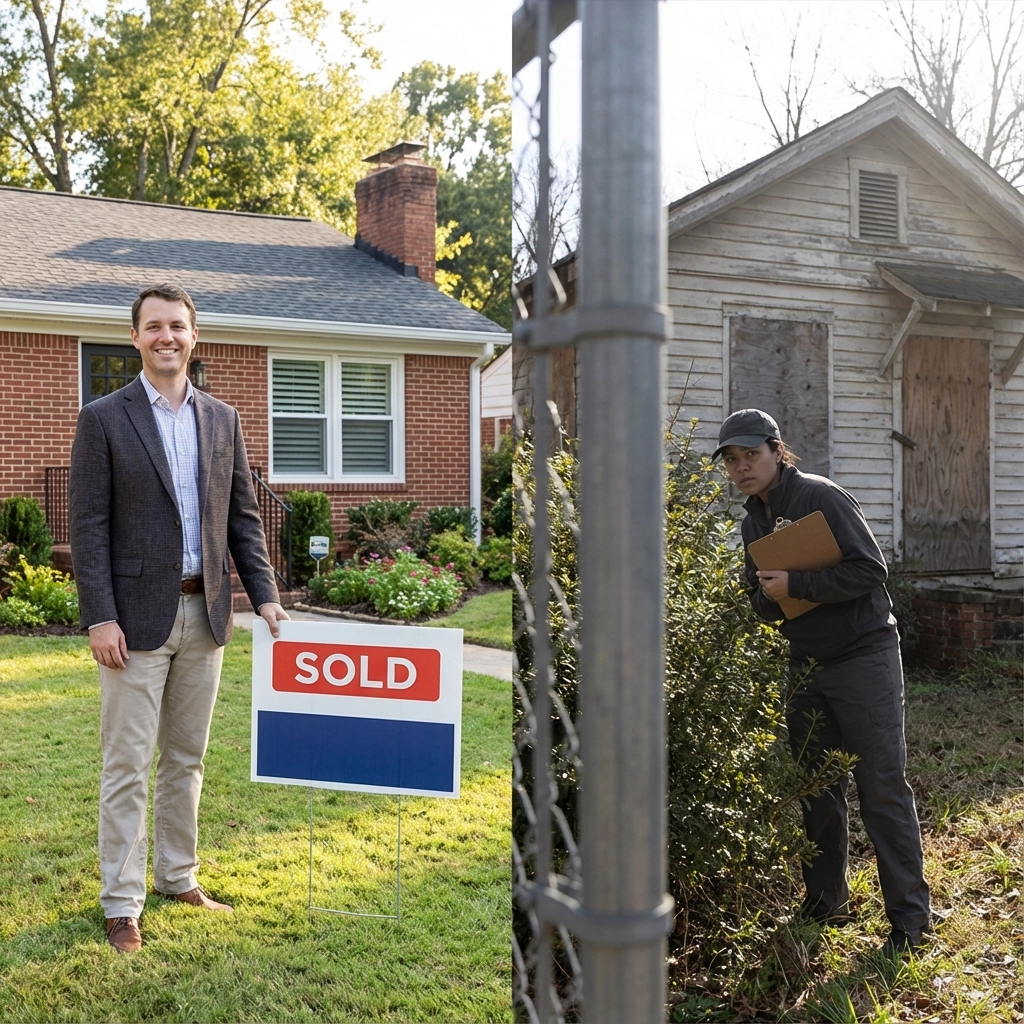
4. "How Many Years Have You Been Buying Houses in Atlanta?"
Experience matters, especially in Atlanta's unique market conditions.
The Red Flag: The "We Buy Houses" industry exploded after the 2008 crisis, and many operators have limited experience. Inexperienced buyers often:
- Underestimate repair costs, leading to price reductions later
- Don't understand local Atlanta regulations and permitting
- Lack relationships with title companies for smooth closings
- Can't handle complications that arise during due diligence
What You're Looking For: At least 3-5 years of local experience, with examples of recent Atlanta purchases they can reference. Bonus points if they've worked in your specific neighborhood (Buckhead, Virginia-Highland, East Atlanta, etc.).
Follow-Up Questions:
- "How many Atlanta homes did you buy last year?"
- "Can you give me references from recent sellers?"
- "What neighborhoods do you focus on?"
5. "What's Your Earnest Money Deposit, and What Happens If You Don't Close?"
This question reveals how committed they actually are to your deal.
The Red Flag: Buyers offering tiny earnest money deposits (under $1,000) aren't serious. If your home is worth $200,000, a $500 earnest money deposit means they have very little skin in the game. They can walk away from your deal without meaningful financial consequences.
Why This Matters: While you wait for them to close, your house is off the market. If they bail out, you've lost weeks or months of selling season: and may have missed other legitimate buyers.
The Standard: Look for earnest money of at least 1-3% of the purchase price, deposited into an escrow account within 24-48 hours of contract signing. Make sure the contract clearly states that if they fail to close through no fault of yours, you keep the earnest money.

6. "What Contingencies Are You Including in Your Offer?"
Too many contingencies give buyers easy exit strategies that leave you hanging.
The Red Flag: Excessive contingencies that allow them to back out for almost any reason:
- "Subject to investor approval"
- "Pending final inspection"
- "Contingent on comparable sales analysis"
- "Subject to partner review"
What These Really Mean: The buyer wants to control your property while keeping multiple ways to escape the contract. Meanwhile, you can't market to other buyers.
What Cash Offers Should Look Like: Minimal contingencies, typically just title and basic property access for assessment. Cash buyers shouldn't need financing contingencies, lengthy inspection periods, or approval from unnamed "partners."
7. "What's Your Exact Closing Timeline, and Can You Guarantee It?"
Speed is probably why you're considering a cash sale, so nail down the timeline upfront.
The Red Flag: Vague promises like "we close fast" or "as soon as possible" don't mean anything. If they can't commit to specific dates, they're probably not ready to close quickly.
Real Timeline Expectations:
- Cash buyers should close within 7-21 days
- They should provide a written timeline with specific milestones
- Any delays should be clearly explained and justified
Get It in Writing: Don't accept verbal promises. The purchase contract should specify exact closing dates, and there should be penalties if they cause delays.
Bonus Red Flag: The "All-Cash" Claim That Isn't Really Cash
Here's a dirty secret many don't know: some "cash buyers" are actually getting financing, just not traditional mortgages. They might be using:
- Hard money loans
- Private lenders
- Business credit lines
- Partnership funding
Why This Matters: These financing sources can still fall through, leaving you without a buyer despite the "cash" promise.
How to Verify: Ask directly: "Is this your money, or are you getting financing from somewhere?" True cash buyers use their own liquid funds or investor money they already have secured.

The Bottom Line: Protect Yourself in Atlanta's Market
Selling your house fast in Atlanta doesn't mean you have to accept the first offer that comes along. The right cash buyer will welcome these questions because they prove you're serious about working with legitimate professionals.
Red flag responses include:
- Refusing to answer questions directly
- Getting defensive about proof of funds
- Pressuring you to sign immediately
- Avoiding specifics about timelines and fees
Remember: legitimate cash buyers want informed sellers because informed sellers lead to smooth transactions. If a buyer gets annoyed by your due diligence, that tells you everything you need to know.
Ready to sell your house fast in Atlanta the right way? Start by asking these seven questions. The buyers who can answer them confidently are the ones worth your time.
For more insights on Atlanta's fast-sale market, check out our analysis of why everyone in Atlanta is talking about cash home sales.
